
Skip to content
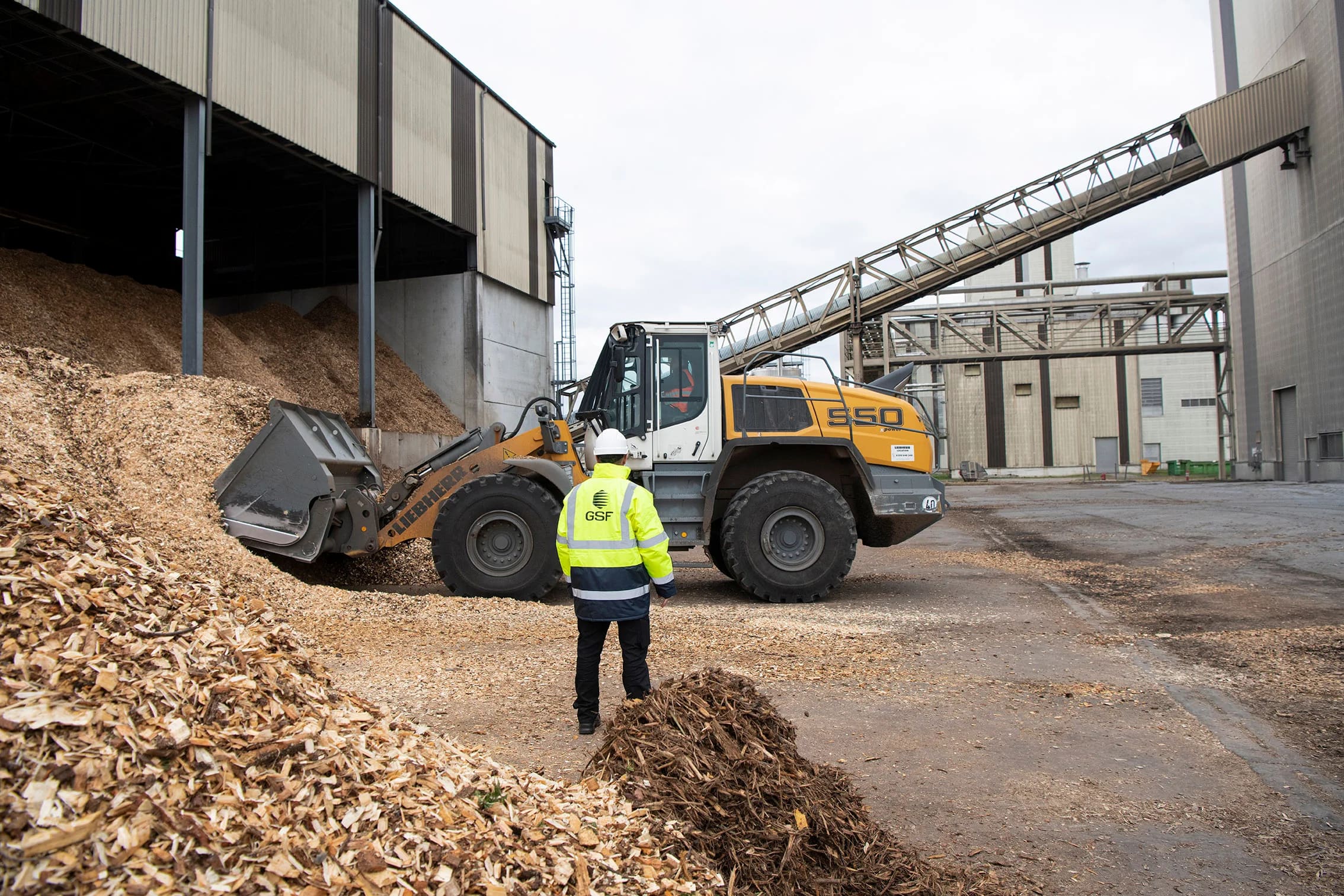
Biomass loading operation with industrial equipment — generic operational imagery.

Energy & Critical Infrastructure

Contribute on controlled-access, continuity-sensitive sites — with disciplined delivery and planning.

Operating context

Energy, utilities, and critical-infrastructure sites: often controlled-access facilities where punctuality, respect for site rules, and discretion come first. Intervention windows are constrained; continuity of site operations leaves little room for improvisation. GSF Canada brings supervised cleaning and, depending on the agreement, building support — from site rules, in authorized zones, without inventing intervention metrics or “critical” certifications.

Facility challenges

  • Operational disruption if cleaning is not planned in the right windows
  • Strict access, safety, and circulation rules not followed
  • High expectations of consistency with little room for improvisation
  • Remote or multi-point sites hard to follow without a clear contact
  • Confusion between real availability and promises not framed in the agreement
  • Intervention windows moved at short notice by site priorities
  • Access validation to redo at every team change

Why this context changes priorities

These sites impose a constraint few other environments do: when the work happens sometimes matters more than the work itself. A missed window cannot always be recovered, and a presence in the wrong place can carry consequences out of all proportion to the task performed. The demand therefore sits on planning, punctuality, and the ability to absorb a change of programme without improvising. It is low-visibility work whose value shows mostly in the absence of disruption.
How we approach this environment

We build the service from site rules: written scope, excluded zones identified, access conditions confirmed before start-up, intervention windows agreed. Teams follow your procedures — badges, escorts, briefings — and a nearby contact settles adjustments with your leads. When windows move, the priority is to replan cleanly rather than force a visit. Availability terms are set out in the agreement: this page publishes no on-call coverage, no response time, and no emergency guarantee.

How GSF supports this environment

According to site needs and the agreed scope: commercial cleaning of authorized zones (offices, washrooms, adjacent rooms if included, circulation); building technical services when the agreement calls for them. No critical-infrastructure certification or intervention KPI is invented on this page.

Continuity

On continuity-sensitive sites, service is built through planning: agreed windows, respect for outages and site priorities, a nearby contact for trade-offs. Availability terms are defined in the agreement.

Quality expectations

Typical expectations: punctuality within planned windows, access discipline, consistent cleanliness of agreed zones, and clear communication when something drifts.

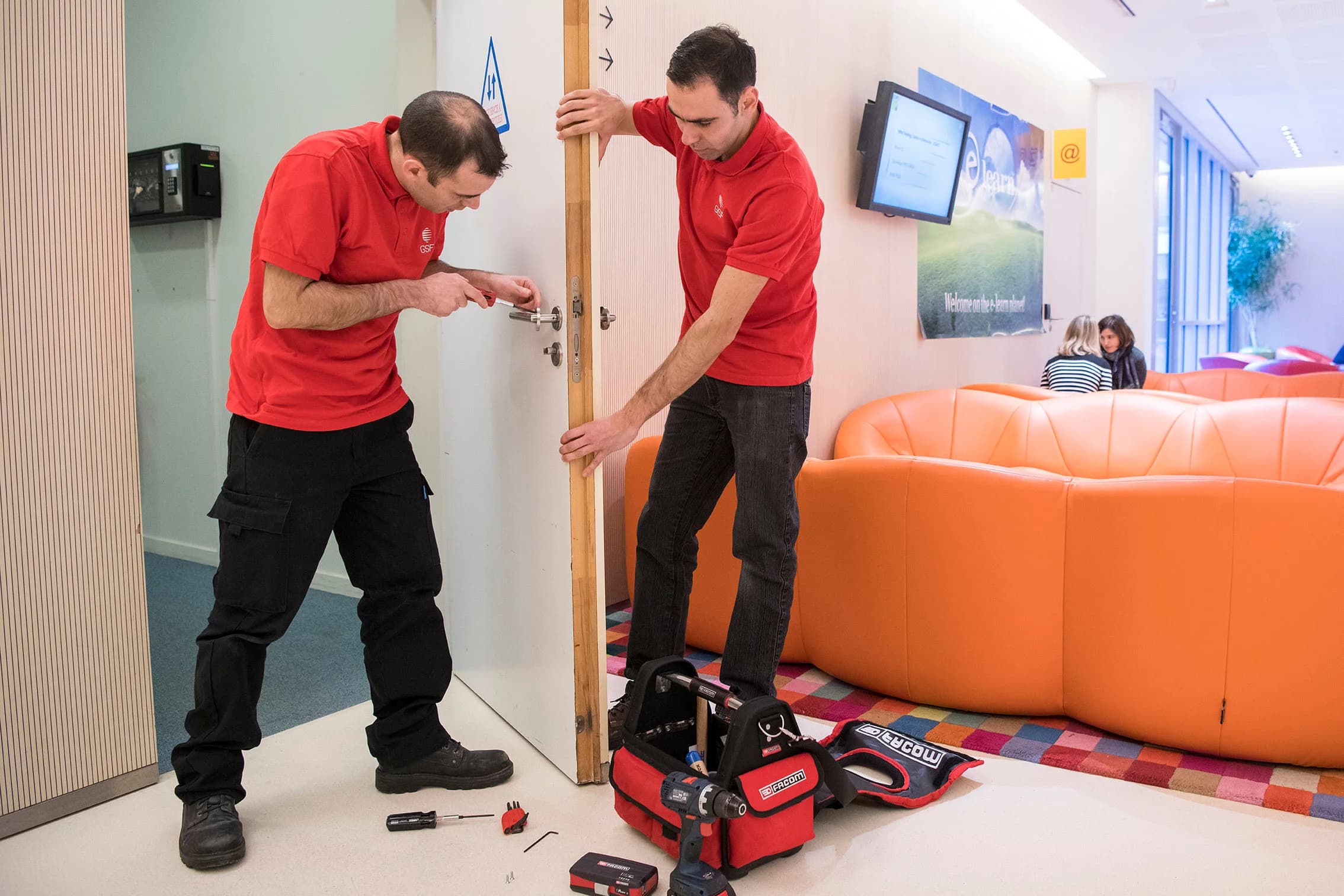
Technical intervention tools — generic operational imagery.

What that covers in practice

Illustrative examples — exact scope is defined in the agreement.

  1. 01Offices, administrative control rooms, and meeting rooms
  2. 02Washrooms, locker rooms, and staff break rooms
  3. 03Circulation areas, stairs, and authorized adjacent rooms
  4. 04Technical rooms only when the agreement explicitly includes them
  5. 05Multiple points on the same network depending on the agreement and geography
  6. 06Building technical support when the agreement calls for it

Customized scope

Every infrastructure has its rules. Scope, access conditions, and excluded zones are confirmed before start-up. According to site needs and the agreed scope, some technical rooms remain out of scope.

Coordination

A nearby contact works from site rules, validates access with your teams, and aligns cleaning and technical work when both families are retained.

Practical benefits

  • Planned interventions to limit impact on your operations
  • Disciplined respect for access rules on controlled sites
  • Explicit scope and availability in the agreement
  • One contact for day-to-day trade-offs

Our approach to quality

Three expectations shape follow-up: punctuality within planned windows, access discipline, and clear communication as soon as something drifts. We would rather announce a rescheduling than let a missed visit stand unexplained. Findings are shared with your leads through the nearby contact, and adjustments are documented. No critical-infrastructure certification, average response time, or intervention metric is invented here; any commitments appear only in the signed agreement.

Responsible practices

On sites that are sometimes remote or spread across several points, the first responsible practice is to limit unnecessary trips: grouping visits when the plan allows, preparing work to avoid return journeys, and sharing equipment between zones of the same site. The everyday practices follow: controlled dosing, maintained equipment, and residue routed to the streams available on site. Documented company certifications are listed on Our commitments.

Method

We work from site rules, clarify scope and intervention windows, appoint a nearby contact, and execute with discipline. Access conditions are confirmed according to the agreement and site rules.

Relevant service families

Common questions

GSF Canada

Let’s talk about your site

Describe the site type, access constraints, and possible intervention windows — we frame a realistic scope.